Patients' stories
their stories.
The patient suddenly experienced a sharp stabbing pain in his left thigh that made it almost impossible for him to walk. And when he tried to walk a few steps, he had to keep his body in a bend. During a neurological examination, the patient showed numbness in the area of the left L2 dermatome and weakness in the left thigh.
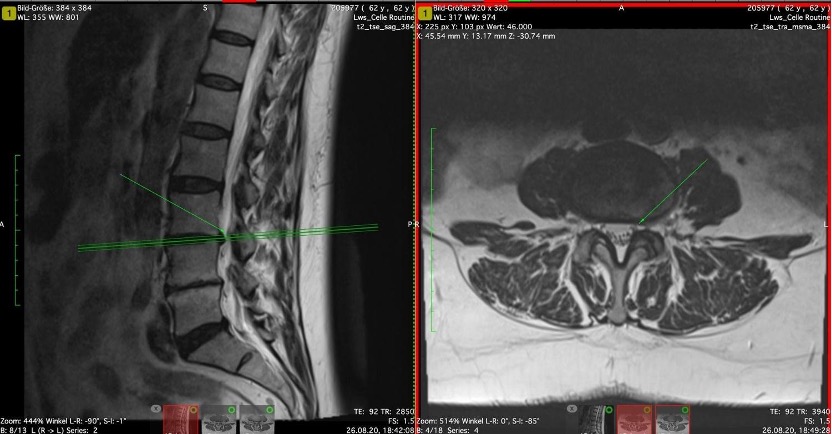
Magnetic resonance imaging revealed that the cause of the problem was intraforaminal disk herniation. The patient was strongly recommended a minimally invasive endoscopic procedure. The surgery was excellent and all neurological symptoms and pain disappeared immediately.
Gender: man
Age: 53
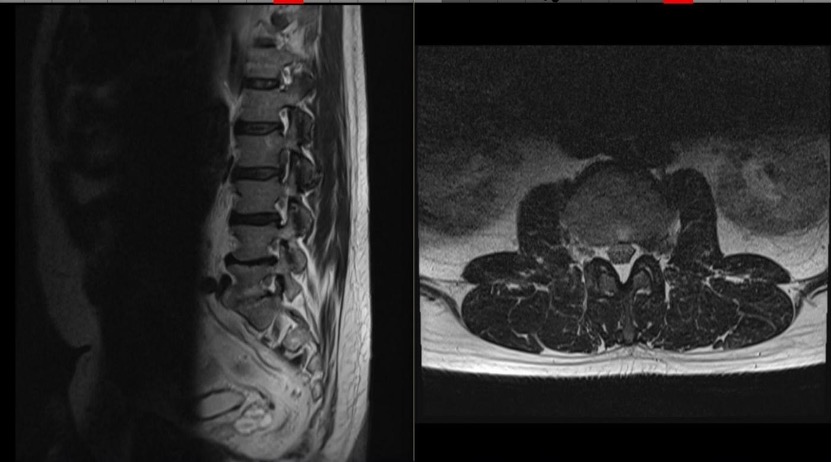
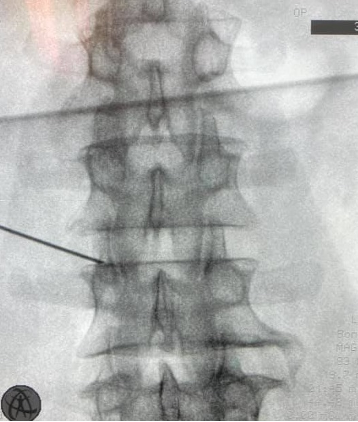
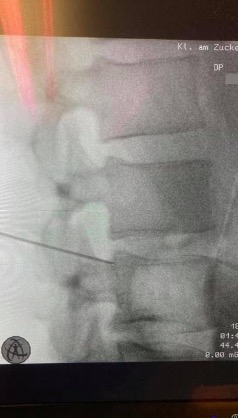
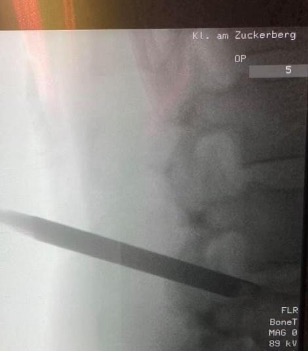
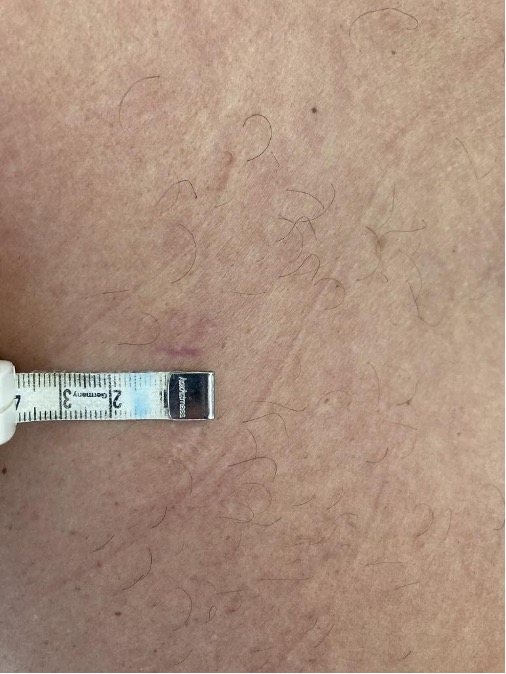
The patient underwent a microsurgical surgery during which the herniated disk in the L4/5 segment was removed. A year later, however, she unfortunately relapsed and the problem reoccurred. Only this time it was pressing hard on the L4 nerve root, causing pain in the left leg, numbness, and foot decline.
We applied a minimally invasive transforaminal surgical treatment (i.e. through the vertebrae) and managed to remove the herniated disk in the L4/5 segment endoscopically using a 1 cm incision. This led to the release of the nerve root. 6 months after the surgery, the patient is still free of pain and any neurological problems.
Gender: woman
Age: 42
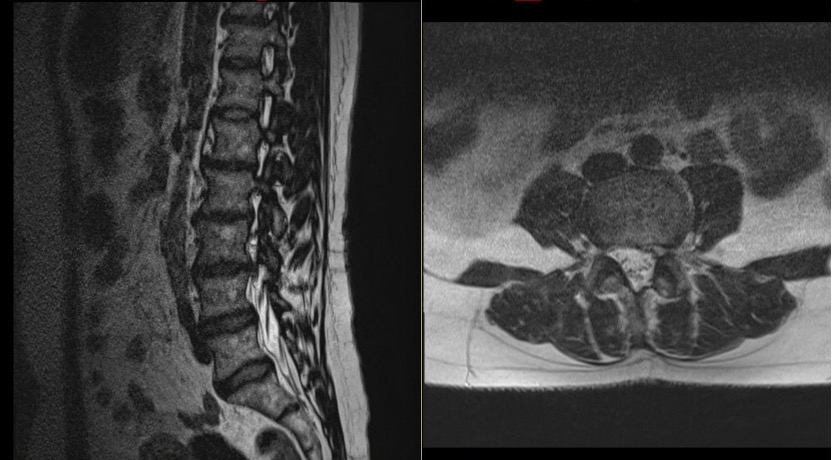
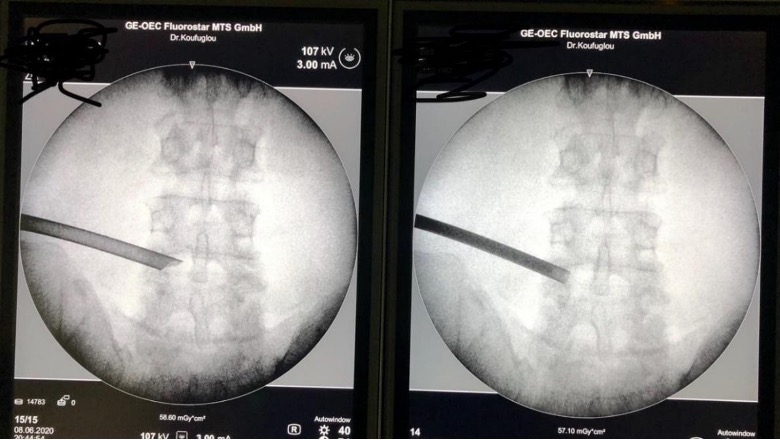
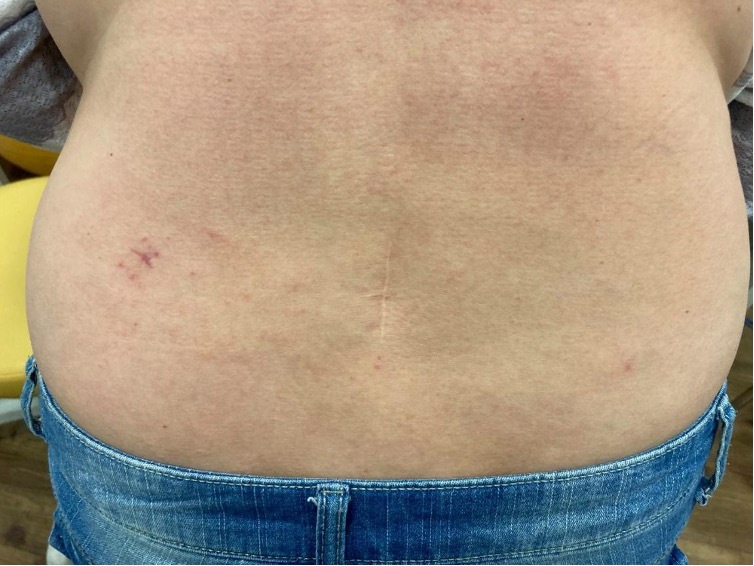
The patient suffered from right-sided sciatica for 10 days, which, in addition to leg pain, was also manifested by tingling and numbness in the left lower limb. During a neurological examination, the right part of her left foot showed an unnatural decline. Magnetic resonance imaging showed a huge extraforaminal disk herniation in the L5/S1 segment that was pressing on the L5 nerve root.
We applied a minimally invasive endoscopic removal of the herniated disk. Pain, weakness, and numbness immediately after the surgery disappeared and the patient left our clinic happy and without any limitations.
Gender: woman
Age: 45
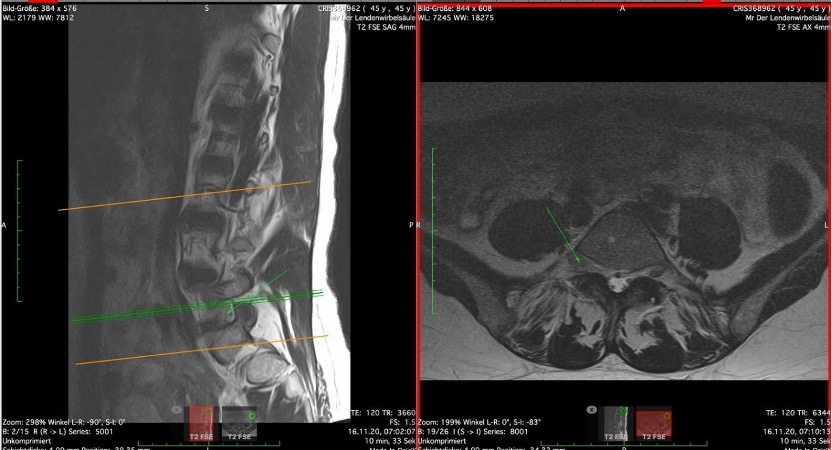


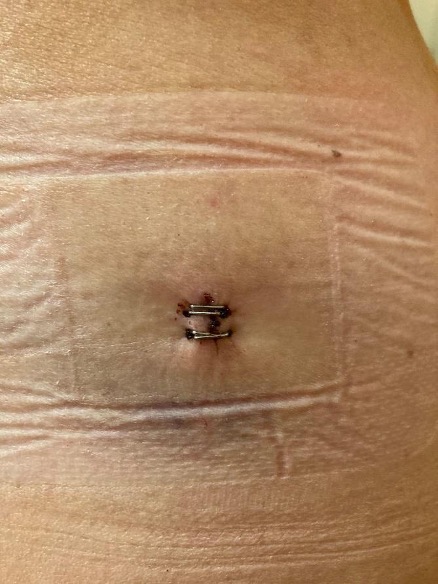
The patient had been suffering from pain in the upper part of her left thigh for a long time and had great difficulty walking upstairs. Magnetic resonance imaging showed a herniated intervertebral disk of the lumbar spine in the L2/3 segment, causing irritation of the L2 nerve root. This led to sharp pain not only when moving but also while at rest.
We applied a minimally invasive transforaminal endoscopic surgical treatment and removed the herniated disc using a 1 cm incision. By doing so, we avoided disruption of the myelin sheaths, so no scar tissue or infection developed after the procedure.
The pain disappeared immediately and a week later also a certain postoperative weakness. Within seven days, the client was able to stand up, lift loads, and walk up the stairs in complete comfort. Since then, she has not felt pain even during clumsy movements.
Gender: woman
Age: 65
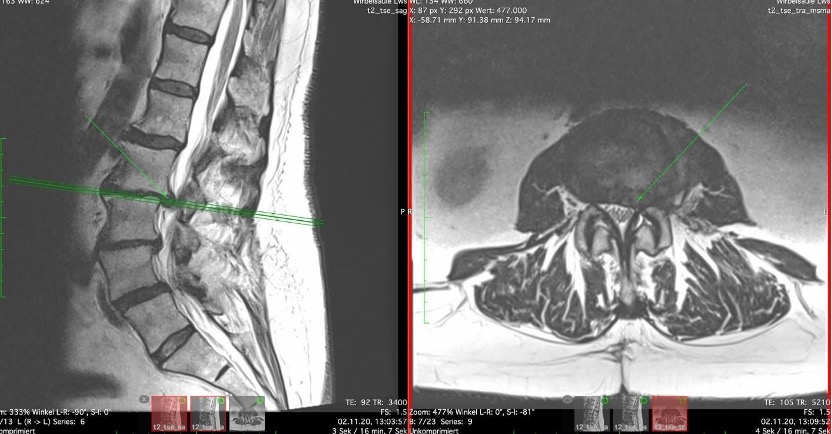
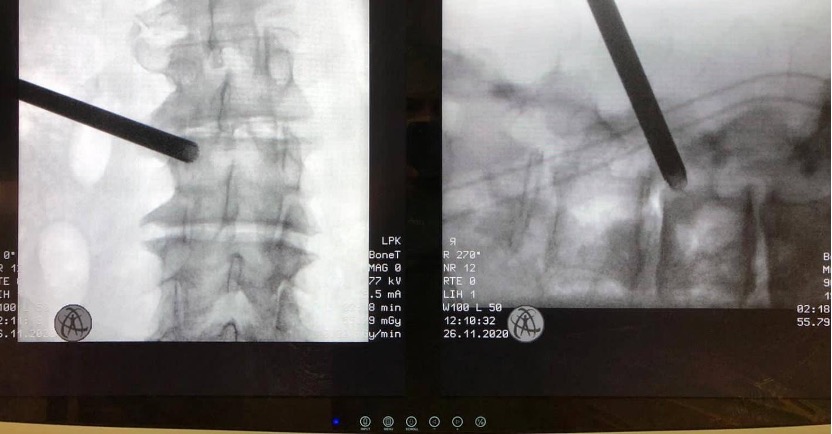

The patient came to us with severe pain in the upper thigh because conservative treatment did not bring her any relief. In addition, the area was completely numb at times, indicating a probable neurological problem. And indeed. The cause was a herniated disk, which caused what's known as root syndrome.
We chose a minimally invasive transforaminal endoscopic surgical procedure and removed the herniated disk using a 1 cm incision. This released the nerve root, whose compression was causing shooting pain and sensory disturbances. The pain disappeared immediately after the surgery and sensitivity returned within a few days. And in a week, the analgesics could be discontinued.
Gender: woman
Age: 62